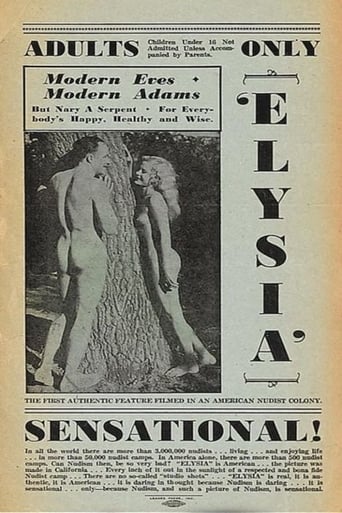
Bryan Foy (December 8, 1896 – April 20, 1977) carved a remarkable path through Hollywood's golden era as a prolific producer and director. Over a career spanning four decades, he shepherded more than 200 films into existence from 1924 to 1963, while also taking the director's chair for 41 productions between 1923 and 1934.
Foy earned his enduring nickname, "the keeper of the B's," during his tenure heading the B picture unit at Warner Bros. There, he became a master of efficiency, turning out budget-conscious features that punched well above their weight class. His leadership helped define the studio's approach to second-tier programming, proving that lower budgets didn't have to mean lower ambition.
Beyond his administrative prowess, Foy's directorial work showcased a versatility that ranged across genres, from crime dramas to comedies. His ability to spot talent and maximize limited resources made him an invaluable asset during the studio system's most competitive years. While his name may not shine as brightly as some of his A-list contemporaries, his fingerprints are visible across hundreds of films that kept theaters buzzing and audiences entertained for decades.
Foy's legacy endures as a testament to the unsung architects of classic Hollywood—the behind-the-scenes craftsmen who ensured the industry's machinery never stopped rolling.
Foy earned his enduring nickname, "the keeper of the B's," during his tenure heading the B picture unit at Warner Bros. There, he became a master of efficiency, turning out budget-conscious features that punched well above their weight class. His leadership helped define the studio's approach to second-tier programming, proving that lower budgets didn't have to mean lower ambition.
Beyond his administrative prowess, Foy's directorial work showcased a versatility that ranged across genres, from crime dramas to comedies. His ability to spot talent and maximize limited resources made him an invaluable asset during the studio system's most competitive years. While his name may not shine as brightly as some of his A-list contemporaries, his fingerprints are visible across hundreds of films that kept theaters buzzing and audiences entertained for decades.
Foy's legacy endures as a testament to the unsung architects of classic Hollywood—the behind-the-scenes craftsmen who ensured the industry's machinery never stopped rolling.