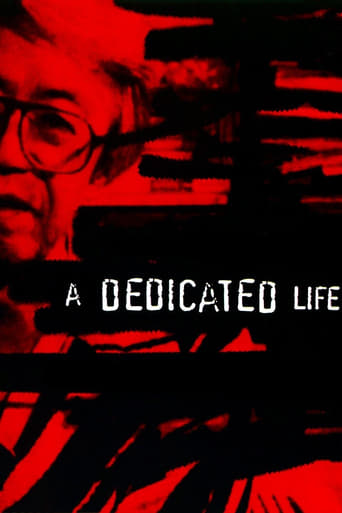
Mitsuharu Inoue (1926–1992) was a prominent Japanese novelist whose literary voice left a lasting mark on postwar Japan. Born in Kyushu, Inoue’s early life was shaped by poverty and the upheaval of wartime, experiences that later infused his fiction with raw intensity and social critique. He emerged in the 1950s as a daring new voice, unafraid to challenge the myths of his era.
Inoue is perhaps best remembered for his 1955 novel *The Roof of the Earth*, which earned him the prestigious Akutagawa Prize and cemented his place in modern Japanese letters. The work, a stark examination of rural life and moral decay, showcased his unflinching prose and psychological depth. His later novels, such as *The Sea of Genkai* and *The Day the Sun Will Rise*, continued to explore themes of alienation, historical memory, and the scars of war, earning him a devoted readership both at home and abroad.
Beyond fiction, Inoue was a prolific essayist and critic, known for his sharp commentary on Japanese society and politics. His career spanned over three decades, producing a rich body of work that bridged the personal and the political. Though he passed away in 1992, Inoue’s legacy endures as a fearless storyteller who captured the complexities of a nation in transition, leaving behind a literary footprint that continues to inspire contemporary writers.
Inoue is perhaps best remembered for his 1955 novel *The Roof of the Earth*, which earned him the prestigious Akutagawa Prize and cemented his place in modern Japanese letters. The work, a stark examination of rural life and moral decay, showcased his unflinching prose and psychological depth. His later novels, such as *The Sea of Genkai* and *The Day the Sun Will Rise*, continued to explore themes of alienation, historical memory, and the scars of war, earning him a devoted readership both at home and abroad.
Beyond fiction, Inoue was a prolific essayist and critic, known for his sharp commentary on Japanese society and politics. His career spanned over three decades, producing a rich body of work that bridged the personal and the political. Though he passed away in 1992, Inoue’s legacy endures as a fearless storyteller who captured the complexities of a nation in transition, leaving behind a literary footprint that continues to inspire contemporary writers.