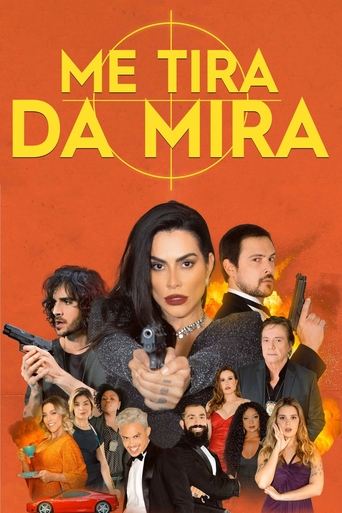
Fábio Júnior, born Fábio Corrêa Ayrosa Galvão on November 21, 1953, in São Paulo, is a celebrated Brazilian singer, composer, multi-instrumentalist, and actor whose career spans over five decades.
His artistic journey began in childhood, performing on local television and radio programs in São Paulo. In 1971, he first adopted the stage names Uncle Jack and later Mark Davis, recording English-language singles that gained traction with tracks like "Don't Let Me Try" and "I Want to Be Free Again." By the late 1970s, he reinvented himself as Fábio Jr., embracing a smooth, romantic vocal style and becoming a sought-after leading man in Brazilian soap operas. His debut album, *Fábio Júnior*, arrived in 1976, marking the start of an impressive annual recording streak that continues with few interruptions.
Beyond music, Fábio Jr. made notable contributions to cinema, most memorably in Cacá Diegues' acclaimed film *Bye Bye Brasil*. He also expanded his reach by recording in Spanish and hosting his own television program on TV Record beginning in 1990. Among his most enduring hits as both songwriter and performer are "Vinte e Poucos Anos," "O Que é Que Há?" (co-written with Sérgio Sá), and the heartfelt "Pai." His prolific output, romantic ballads, and charismatic presence have solidified his status as one of Brazil's most beloved entertainers.
His artistic journey began in childhood, performing on local television and radio programs in São Paulo. In 1971, he first adopted the stage names Uncle Jack and later Mark Davis, recording English-language singles that gained traction with tracks like "Don't Let Me Try" and "I Want to Be Free Again." By the late 1970s, he reinvented himself as Fábio Jr., embracing a smooth, romantic vocal style and becoming a sought-after leading man in Brazilian soap operas. His debut album, *Fábio Júnior*, arrived in 1976, marking the start of an impressive annual recording streak that continues with few interruptions.
Beyond music, Fábio Jr. made notable contributions to cinema, most memorably in Cacá Diegues' acclaimed film *Bye Bye Brasil*. He also expanded his reach by recording in Spanish and hosting his own television program on TV Record beginning in 1990. Among his most enduring hits as both songwriter and performer are "Vinte e Poucos Anos," "O Que é Que Há?" (co-written with Sérgio Sá), and the heartfelt "Pai." His prolific output, romantic ballads, and charismatic presence have solidified his status as one of Brazil's most beloved entertainers.